
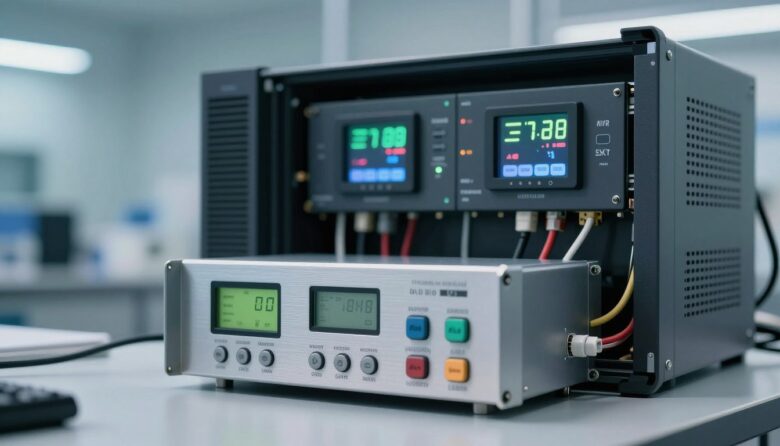
I started this search after a sudden power surge corrupted a work file. I learned fast that a steady power supply matters if you want to protect sensitive electronics at home or in the office.
In my experience, an uninterruptible power supply is the core of any reliable backup plan. It keeps devices online while a battery backup handles short outages and provides surge protection when the grid misbehaves.
What changed my perspective on power protection setups
After dealing with a few unexpected shutdowns in my own setup, I realized that understanding the difference between AVR and a full UPS is more practical than it seems at first. In one situation, I relied only on a voltage regulator thinking it was enough, but during a real outage, everything still powered off instantly. That moment made it clear that stabilizing voltage and providing backup power are not the same thing, even though they are often mentioned together.
From my experience, choosing between these options depends a lot on how critical your equipment is. I don’t see one as universally better than the other, but I’ve learned to be realistic about what each one can actually do. For everyday protection, regulation helps, but for real security—especially when data is involved—I now lean toward solutions that include both stabilization and battery backup.
If I could suggest something simple, it would be to look at your actual usage instead of just the specifications. Think about what happens if the power goes out right now—would you lose important work or just need to restart a device? That answer usually points you in the right direction and helps avoid spending on features you don’t need or missing ones that matter.
In my case, the biggest improvement came when I stopped choosing based on specs alone and started thinking about real-world scenarios.