
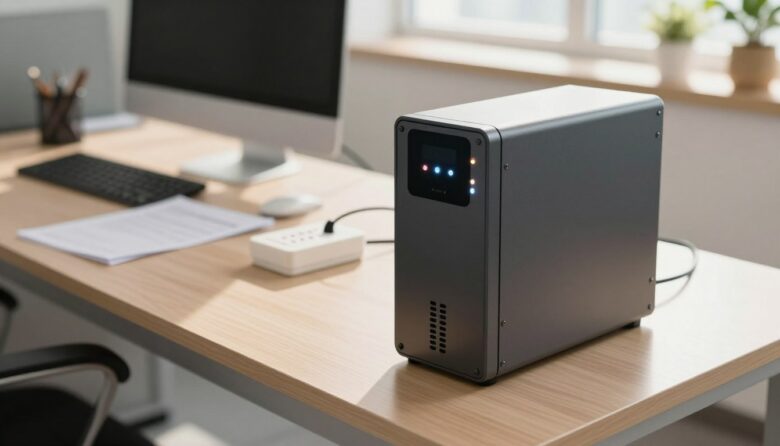
I know your uninterruptible power supply is a key investment for your home or office. I want to help you extend its lifespan with clear, practical steps that protect your devices and backup capacity.
Modern UPS systems include surge protection and prevent momentary voltage spikes, but the battery life can still vary from three to ten years depending on conditions.
What I learned after maintaining UPS systems for years
Over time, I realized that extending the life of a UPS is less about doing something complicated and more about being consistent with small habits. In one case, I had a unit that started losing runtime much earlier than expected, and after checking everything, the issue turned out to be excess heat in the room. It wasn’t obvious at first, but that single factor was slowly degrading the battery. Since then, I always pay close attention to the environment, not just the equipment itself.
In my opinion, many people underestimate how sensitive these systems are to daily conditions. Even if everything is installed correctly, things like temperature, load balance, and charging cycles can quietly affect performance over time. I don’t expect perfect conditions, but I do try to keep things within a safe range and review the system status regularly instead of waiting for a failure.
If I had to suggest one simple action that really makes a difference, it would be this: create a basic routine and stick to it. Even a quick monthly check—looking at battery status, cleaning vents, and confirming runtime—can help you spot problems early. It’s not about doing more work, it’s about avoiding surprises later when you actually need the backup power to work properly.
I’ve found that the UPS systems that last the longest are not the most expensive ones, but the ones that are monitored and maintained with consistency.