
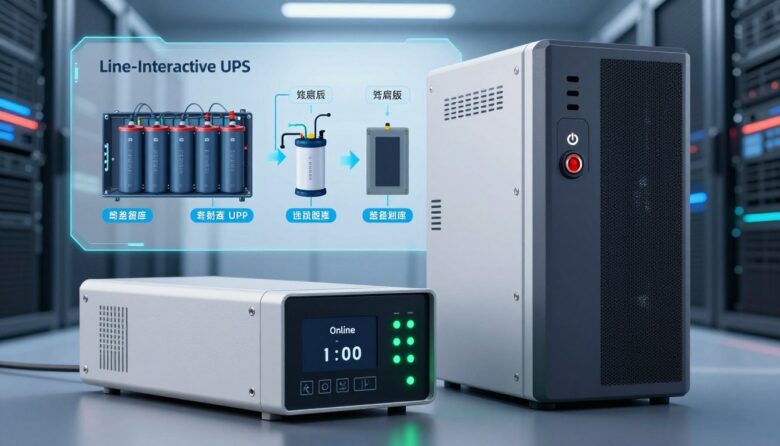
I rely on clear guidance when choosing power protection for my gear. An uninterruptible power supply keeps servers and sensitive hardware safe from surges, brownouts, and complete blackouts.
When I compare a line-interactive vs online UPS, I look at how each system manages incoming power and keeps equipment running.
What helped me decide between line-interactive and online systems
When I first compared these two types, I focused too much on specs and not enough on how they would behave in my real setup. I ended up choosing a line-interactive unit for a small office environment, and it worked well most of the time. But after a few unstable power events, I noticed that frequent small fluctuations still affected my equipment more than I expected. That’s when I started to better understand where each type actually fits.
From my experience, both options have their place. I don’t automatically assume that the more advanced system is always necessary, but I do pay close attention to how critical the equipment is. If downtime would cause real problems, I tend to prefer solutions that offer continuous power conditioning and zero transfer time. For simpler setups, though, a well-chosen interactive unit can still be reliable and efficient.
If I could give one practical suggestion, it would be to look at your power environment as much as your devices. If your area has frequent fluctuations or unstable supply, that should weigh heavily in your decision. Understanding how often issues occur in your location can help you choose a system that matches your needs without overspending or underprotecting your equipment.
In my case, the best choice came from matching the system to real conditions, not just the technical differences on paper.